Minister warns minimum wage rise could put further pressure on Jersey businesses
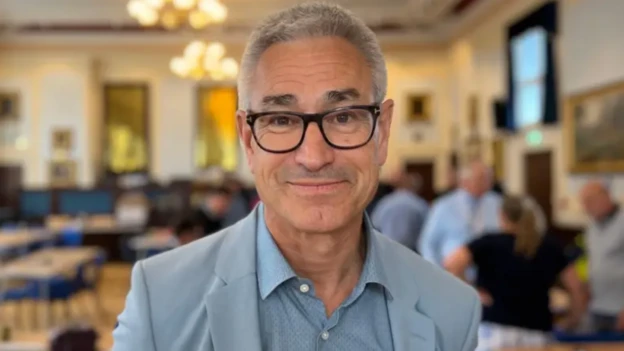
Jersey's current minimum wage is already too high for some parts of the economy, according to Economic Development Minister Deputy Gerald Voisin, who has warned that a further increase could add to businesses' costs.
Deputy Voisin's position has come under scrutiny since he described the island's minimum wage as "strangling the economy" in an article published last month.
Speaking in the States Assembly on Tuesday, the minister was asked whether he would support reducing the minimum wage in response to the concerns he had raised.
He said no decision had been made to investigate either reducing or scrapping the minimum wage.
Deputy Voisin said he and Social Security Minister would instead wait for the Employment Forum to complete its consultation on the rate for 2027.
The Employment Forum is currently seeking views on the future minimum wage, with the consultation due to close on 18 September.
The Social Security Minister is responsible for setting the minimum wage after considering recommendations from the Employment Forum.
During Tuesday's Assembly session, Deputy Voisin said he had not instructed his department to examine the economic consequences of reducing or abolishing the minimum wage.
However, he argued that the current rate of £13.59 an hour was proving difficult for some businesses.
"I have seen evidence that the minimum wage at £13.59 is too high for some sectors of our economy," he said.
He added that he had been told this by the chief executive of Jersey Business, who had seen the accounts of businesses experiencing financial difficulties.
Deputy Voisin said action was needed to help those companies "regain their competitiveness".
Global pressures blamed for rising costs
The minister also argued that rising costs were being driven by wider international changes and that increasing the minimum wage would not address the underlying problems.
He pointed to Brexit, trade disputes and ongoing wars as factors affecting the movement of workers, capital and goods around the world.
According to Deputy Voisin, these developments were contributing to higher prices and creating a structural challenge for Jersey's economy.
He said the island could not respond to that problem with what he described as a "cyclical solution" such as repeatedly increasing the minimum wage.
The debate comes as Jersey considers what its minimum wage should be from 2027, with the Employment Forum's consultation currently underway.


