Audit warns Jersey health charges unlikely to succeed without public backing
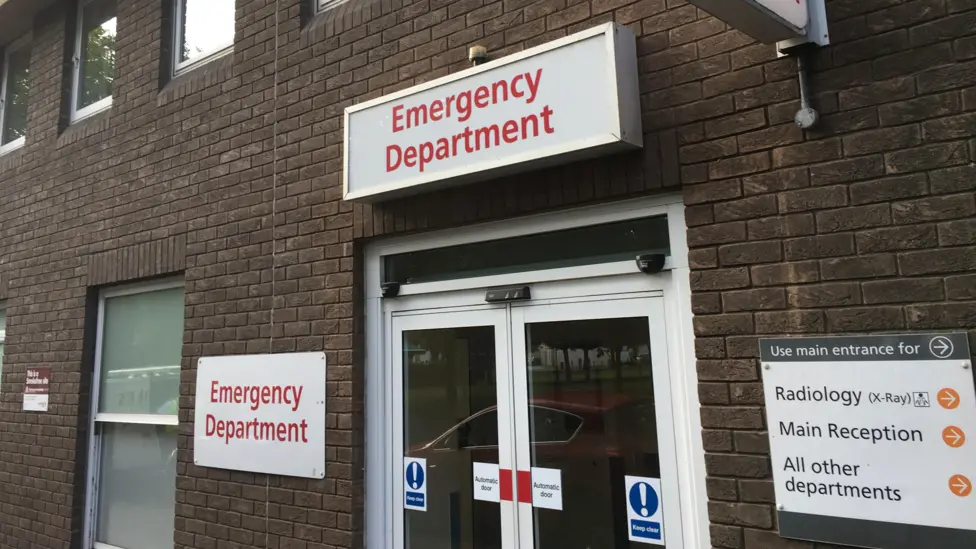
Proposed healthcare charges being considered by the Government of Jersey are unlikely to deliver meaningful savings or influence how people use health services unless they have strong public support, a new audit has concluded.
A report by the Jersey Audit Office says planned measures, including charges for missed hospital appointments and unnecessary visits to the Emergency Department, should form part of a much broader programme of healthcare and social reform if the island is to tackle rising costs.
The review found Jersey faces a growing financial challenge in funding its healthcare system. It estimates the island could face a public healthcare funding shortfall of almost £300 million by 2043, while already allocating a larger share of government spending to health than any member of the Organisation for Economic Co-operation and Development (OECD).
The government is currently exploring a range of charging options designed to encourage people to make better use of healthcare services rather than to generate significant new income. However, the report says any new fees would need to be clearly communicated, widely understood and consistently enforced if they are to change behaviour.
The report's author, Lynn Pamment CBE, said the long-term pressures on healthcare funding had been recognised for many years.
"The risk of ever-rising publicly funded expenditure on healthcare has been known for a long time," she said.
"It is not an issue that can be resolved by Health and Care Jersey or the government alone. The solutions required will need wider public consensus."
The audit also raises concerns over the proposed introduction of charges for patients who attend the Emergency Department when treatment could be provided by a GP. It says the planned enforcement arrangements appear "weak", raising the possibility that administering the scheme could cost more than the revenue it generates.
Among the other measures under consideration is the return of means testing for patients receiving financial support for off-island travel and accommodation for medical treatment. According to the report, reintroducing the policy could reduce government spending by around £260,000 each year.
The Audit Office concludes that financial measures alone will not be enough to secure the long-term sustainability of Jersey's healthcare system, calling for wider reforms and greater public engagement to address the challenges ahead.


